
Best Hip Replacement Surgeon in Hyderabad — Dr. Naresh P. Hanagodu
Dr. Naresh P. Hanagodu, MBBS, MS (Ortho), D.Ortho (Bombay), is a Consultant Orthopedic & Joint Replacement Surgeon with 25+ years of experience and 1,200+ joint replacement surgeries. He treats hip arthritis, avascular necrosis (AVN) and hip fractures at Sharada Orthopaedic Centre, Ganesh Nagar Colony, Bowenpally, Secunderabad — Monday to Saturday, 1:00 PM to 6:30 PM. Hip replacement is advised only when it is the right option, and the same surgeon sees you from first visit to final follow-up.

Which hip problems lead to hip replacement?
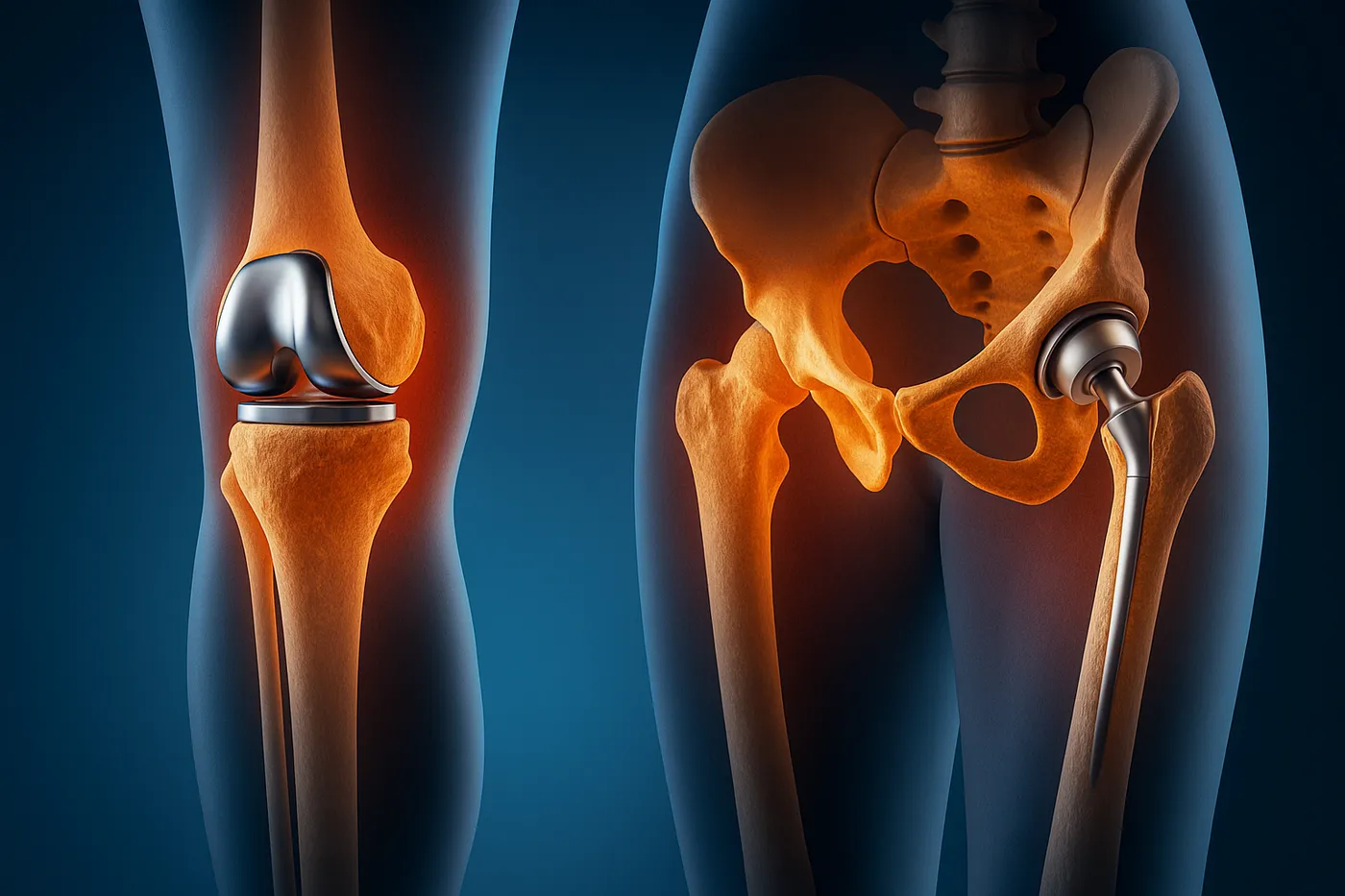
Hip replacement is done when the hip joint's surfaces are damaged beyond repair and pain limits daily life. At Sharada Orthopaedic Centre in Bowenpally, Secunderabad, the common reasons are:
- Hip osteoarthritis — wear of the cartilage with age, causing groin or thigh pain, stiffness and a limp.
- Avascular necrosis (AVN) of the femoral head — loss of blood supply to the ball of the hip, so the bone softens and collapses. Common in India in younger adults; linked to steroid use, heavy alcohol intake, some blood disorders, or no clear cause.
- Hip fracture (fracture neck of femur) in older adults after a fall — often treated with a partial or total hip replacement so the patient can walk again within days.
- Rheumatoid and other inflammatory arthritis that has destroyed the joint; childhood hip conditions (dysplasia, Perthes' disease, slipped epiphysis) causing early arthritis; a previous replacement that has loosened, worn or become infected.
What we try before hip replacement
- Pain relief and anti-inflammatory medicines in safe doses; a walking stick in the opposite hand
- Physiotherapy to keep the hip moving and strengthen the muscles around it; weight reduction where it helps
- Activity changes — avoiding deep squatting and long walks on bad days
- For early-stage AVN, joint-preserving options where suitable
Many patients with early arthritis or early AVN are managed this way for years; replacement is timed for when it is genuinely needed.
Types of hip replacement we perform
Implants may be cemented or uncemented, with ceramic-on-polyethylene, metal-on-polyethylene or ceramic-on-ceramic bearings. Dr. Naresh chooses based on the patient's age, bone quality, weight and activity — younger patients generally get harder-wearing bearings. We use well-established conventional techniques; no robotic system is used, and none is required for a well-aligned, stable hip.
Total hip replacement (THR)
Both the ball (femoral head) and the socket (acetabulum) are replaced — a metal stem and ball in the thigh bone and a cup in the pelvis, with a smooth bearing between them. The standard operation for arthritis and advanced AVN.
Partial hip replacement (hemiarthroplasty)
Only the ball is replaced. Used mainly for hip fractures in older, less active patients, where a quicker operation is safer.
Revision hip replacement
Re-doing a previous replacement that has loosened, worn, dislocated repeatedly or become infected. Planned with detailed imaging; more complex than a first replacement.
What happens on the day of surgery, and where?
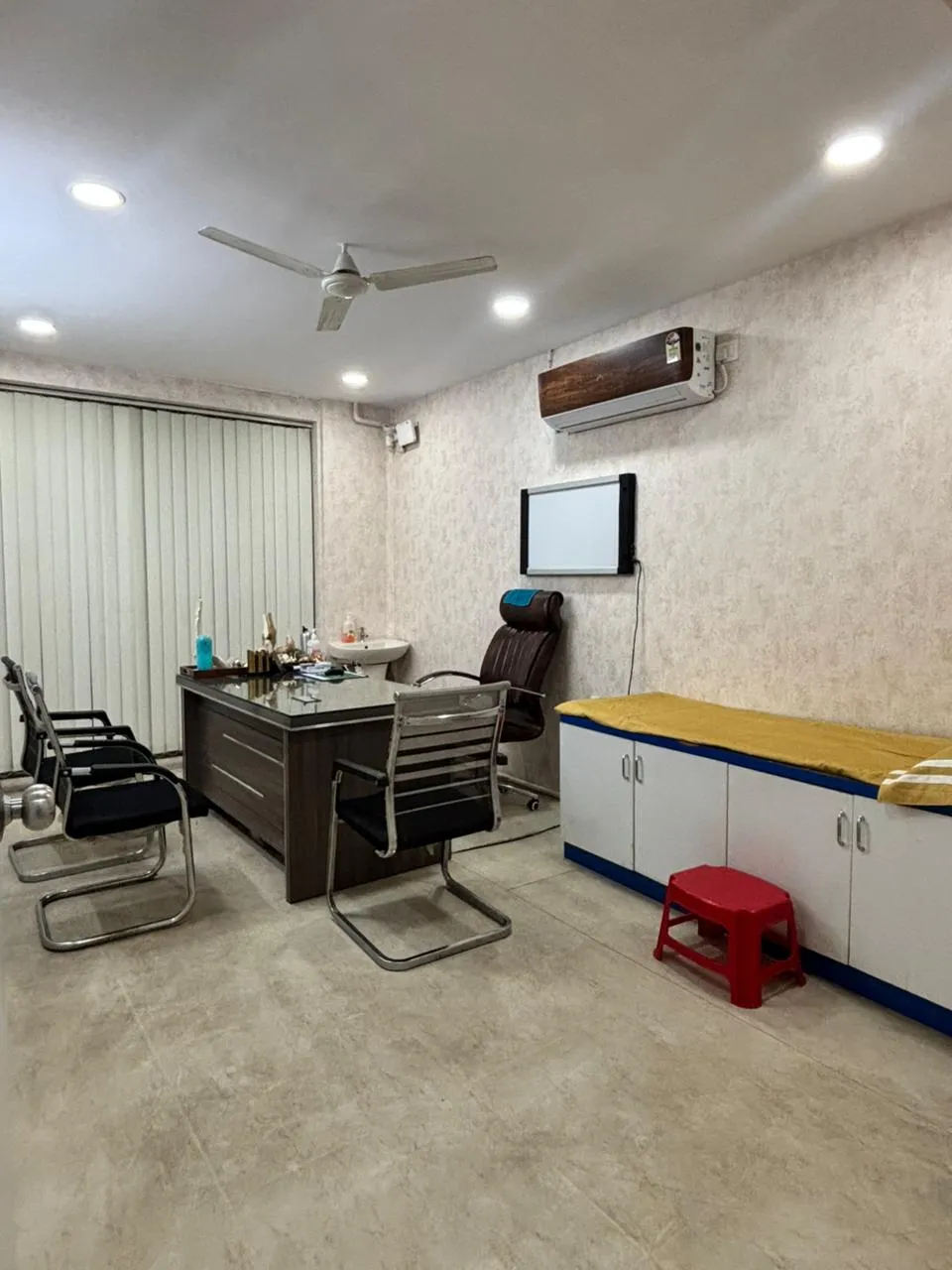
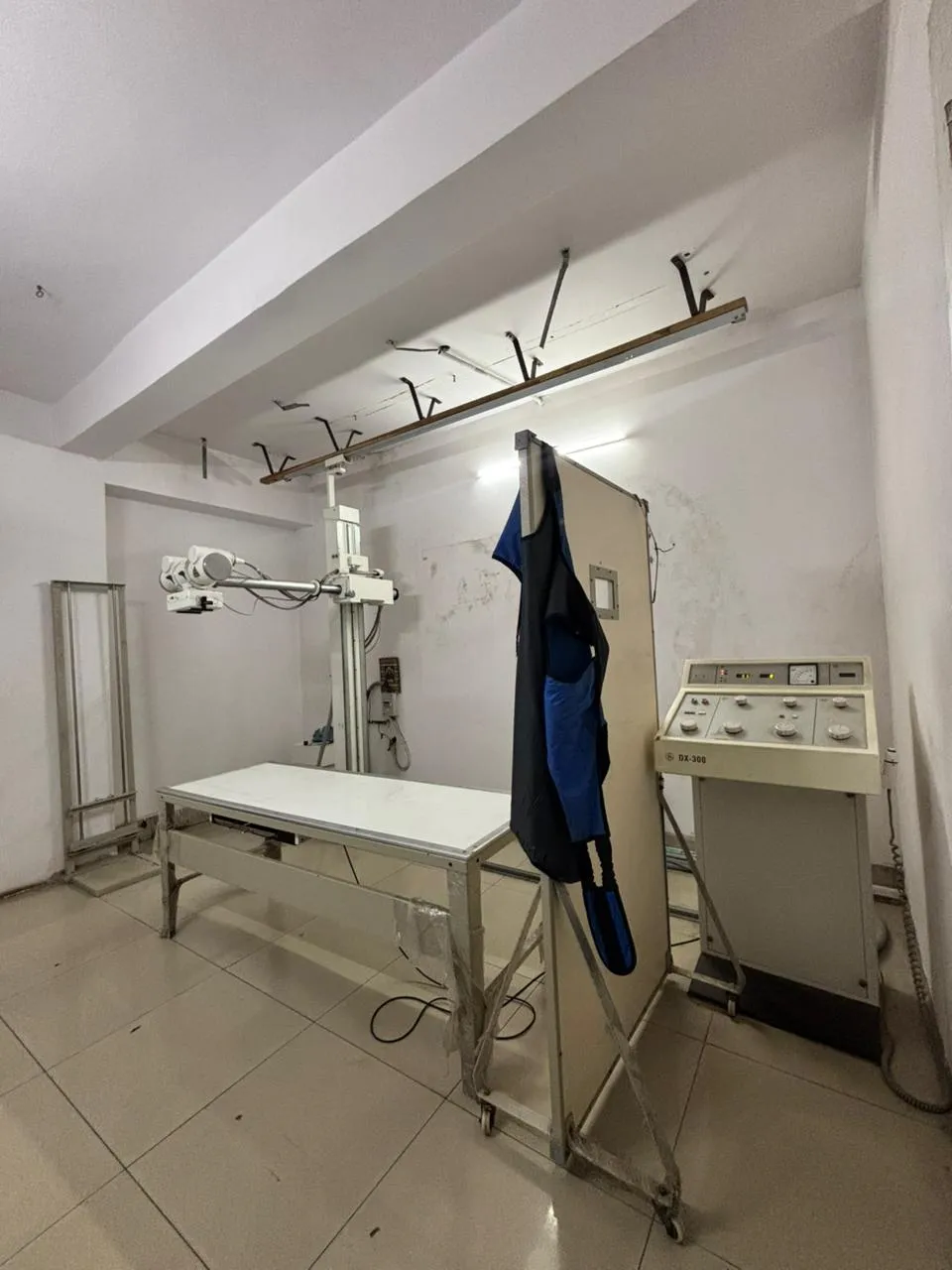
Consultation, X-rays, pre-operative tests and all non-surgical treatment happen at Sharada Orthopaedic Centre in Bowenpally. The operation is performed by Dr. Naresh at an associated hospital with the anaesthesia team and operation-theatre facilities that joint replacement needs, and with cashless insurance support for eligible policies. All follow-up visits are with Dr. Naresh at the clinic.
Anaesthesia
Usually spinal anaesthesia (numb from the waist down), often with light sedation; monitored throughout.
Operation
Typically 1–2 hours. The damaged ball and socket are replaced with the implant chosen for you.
Hospital stay
Most patients go home in about 3–5 days once they can walk safely with a walker; hip-fracture patients are mobilised as early as possible.
Early recovery
Blood thinners, antibiotics and physiotherapy start in hospital to reduce clot and infection risk and to get you walking early.
Recovery after hip replacement: what most patients can expect
Standing and walking a few steps with a walker; sitting out of bed.
Walking indoors with a walker; wound review; swelling and bruising are normal.
Walking outdoors with a stick; stairs with support; most self-care independently.
Walking without aids for many patients; driving once the leg is strong (usually 6 weeks or later); back to desk work.
Continued gains in strength and comfort; walking, swimming, cycling; most restrictions lifted on your surgeon's advice.
Can I live a normal life after hip replacement?
Yes — for most patients, that is the purpose of the operation. After recovery, most people walk without pain, climb stairs, travel, drive, work, swim, cycle and play low-impact sport.
What we advise against long-term is high-impact activity such as running on hard ground and contact sport, and habitual deep squatting or sitting cross-legged on the floor, which stress the joint and, in some hip designs, raise dislocation risk. Indian-style toilets are best replaced with a Western commode or a raised seat.
Ask about anything specific to your routine — prayer, floor sitting, farming or manual work — and we will tell you honestly what is safe.
How long does a hip replacement last?
15–20 years is typical for a modern hip implant, and many last longer; registry data show most hips still working well at 20 years. Longevity depends on the bearing type, the patient's weight and activity, bone quality, accurate positioning at surgery and avoiding infection. Younger, heavier or very active patients wear implants faster and may need a revision later — one reason surgery is timed carefully and, in early AVN, joint-preserving options are considered first.
Risks, stated plainly
Hip replacement is one of the most successful operations in surgery, but like all operations it carries risks: infection, blood clots, dislocation (especially in the first months), a small difference in leg length, nerve or blood-vessel injury, fracture around the implant, loosening or wear over time, and rare complications from anaesthesia. Your individual risk depends on age, diabetes control, heart and lung health, weight, bone quality and smoking.
We explain these before you decide, take specific precautions, and see you regularly afterwards. Most patients experience a marked reduction in pain and much better mobility; no surgeon can promise a specific outcome, and we do not.
Hip fracture in an older parent: replacement or fixation?
It depends on the type of fracture, the patient's age and how active they were before the fall. Fractures at the neck of the femur in older adults are usually best treated with a partial or total hip replacement, because it lets the patient stand and walk within a day or two — which protects against the real dangers of bed rest (chest infection, clots, pressure sores).
Fractures lower down (intertrochanteric) are usually fixed with a nail or plate rather than replaced. Surgery is best done as early as the patient is medically fit, ideally within 24–48 hours. Bring the X-rays and any medical reports; Dr. Naresh will explain which operation is safer and why.
Older patients · diabetes · heart diseaseIs hip replacement safe for them?
Age alone is not a barrier — patients in their 70s, 80s and beyond undergo hip replacement, including after fractures, when a physician has assessed heart, lung and kidney fitness. Diabetes is not a barrier either, but blood sugar must be well controlled because poor control raises infection risk. Heart disease, blood thinners and previous strokes are managed with the physician and anaesthetist as part of a routine pre-operative check-up; if something needs optimising first, we optimise it first.
Hip replacement cost in Hyderabad: what decides it
The cost depends on a handful of factors. Cashless insurance is accepted for eligible policies at the associated hospital, and a written estimate covering surgeon, hospital and implant is given before admission. Bring your policy details to the consultation.
Total vs partial
THR replaces ball and socket; hemiarthroplasty the ball only.
Implant & bearing
Ceramic bearings cost more; cemented vs uncemented fixation.
Hospital & stay
Room category, length of stay, anaesthesia.
First-time vs revision
Revision surgery is more complex and costs more.
Why patients choose Sharada Orthopaedic Centre for hip replacement
One surgeon, start to finish
Dr. Naresh consults, operates and follows you up personally.
25+ years, 1,200+ replacements
Including arthritis, AVN and fracture cases. Rotary Vocational Award (2001–02), Rotary Club of Secunderabad Cantonment.
Joint-preserving and non-surgical first
Replacement when it is genuinely the right choice, explained plainly in Telugu, Hindi or English.
Local, reachable, wheelchair-accessible
Ganesh Nagar Colony, Bowenpally, Secunderabad — Mon–Sat 1:00–6:30 PM. Written cost estimate; cashless insurance support.
Dr. Naresh P. Hanagodu
Rotary Vocational Award (2001–02), Rotary Club of Secunderabad Cantonment. Practises at Sharada Orthopaedic Centre, Bowenpally, Secunderabad. Special interests: hip and knee replacement, spine care, sports injuries and trauma.
About Dr. NareshHip consultations for Secunderabad and Hyderabad
The clinic is at Ganesh Nagar Colony, Bowenpally, Secunderabad 500011. Hip patients — including those who find walking or car travel difficult — usually reach us within 10–20 minutes from the areas below, and within about 30 minutes from Kompally, Balanagar, Malkajgiri and Sanath Nagar. The clinic is wheelchair-accessible. Bring existing X-rays and reports.
Tap an area for directions from there.
Consulting hours Monday to Saturday, 1:00 PM to 6:30 PM; Sunday closed.
Watch: Dr. Naresh explains, in under a minute
Short patient-education reels from @drnareshhanagodu. Tap a video to play it here.
Frequently asked questions about hip replacement in Hyderabad
Who is the best hip replacement surgeon in Hyderabad?
How much does hip replacement cost in Hyderabad?
Which hospital is best for hip replacement in Hyderabad?
Can you live a normal life after total hip replacement?
How long does a hip replacement last?
Does AVN of the hip always need a replacement?
My elderly parent has a hip fracture — is replacement necessary?
How soon can I walk after hip replacement?
Can I sit cross-legged or squat after hip replacement?
Am I too old — or too young — for hip replacement?
Is hip replacement covered by insurance?
What is the difference between total and partial hip replacement?
Hip or groin pain? We’ll call you back
Two fields, 15 seconds. Our coordinator calls during clinic hours (Mon–Sat 1:00–6:30 PM) and fixes the earliest slot.
Book a hip consultation
Sharada Orthopaedic Centre, Ganesh Nagar Colony, Bowenpally, Secunderabad 500011 · Monday to Saturday, 1:00 PM – 6:30 PM. Bring your X-rays and reports.