
Fracture & Trauma Care in Hyderabad — Dr. Naresh P. Hanagodu
Fracture treatment for adults and children — from simple cracks treated in a cast to complex, multiple-bone injuries fixed with plates, nails and screws — by a Consultant Orthopedic & Joint Replacement Surgeon with 25+ years of experience. At Sharada Orthopaedic Centre, Ganesh Nagar Colony, Bowenpally, Secunderabad: fast diagnosis, the right fixation, and rehabilitation through to full function.
Injured? We’ll call you back
Two fields, 15 seconds. Our coordinator calls back during clinic hours (Mon–Sat 1:00–6:30 PM) and fixes the earliest slot.
What to do right now if you think a bone is broken
- Don’t try to straighten it. Keep the limb still in the position you found it; support it with a pillow, folded cardboard or a rolled towel.
- Ice, elevate, no weight. Cold pack wrapped in cloth for 15–20 minutes; keep the limb raised; don’t walk on an injured leg or foot.
- Emergency department first if bone is visible, the limb is deformed or numb, there is heavy bleeding, or it is a road-traffic or fall-from-height injury.
- Otherwise, see an orthopaedic doctor the same day — swelling, inability to use the limb, or pain on pressing one spot on the bone means it needs an X-ray. Bring any X-ray already taken.
Types of fractures we treat
From a child’s wrist fracture to a hip fracture in an 80-year-old, and from a hairline stress fracture to a shattered bone after a road accident — Dr. Naresh P. Hanagodu treats the full range at Sharada Orthopaedic Centre, Bowenpally, Secunderabad.
Simple (closed) fracture
The bone breaks but does not pierce the skin. Most are treated without surgery — a cast or splint, then rehabilitation.
Compound (open) fracture
The bone breaks through the skin. An emergency: urgent cleaning and fixation to prevent infection — emergency department first.
Comminuted fracture
The bone shatters into several pieces, usually after high-energy injury. Often needs surgical fixation with plates, screws or a nail.
Stress fracture
Tiny cracks from repeated load — runners, new recruits, dancers. Often missed on early X-rays; treated with rest and a corrected training load.
Pathological & osteoporotic fractures
Breaks in bone weakened by osteoporosis or disease, often after a minor fall — wrist, spine and hip. Treating the fracture and the weak bone together.
Multiple & complex fractures
Several bones or a joint surface involved, typically after road accidents. Planned fixation, sometimes in stages, with rehabilitation from day one.
Cast or surgery? How we decide
Most fractures heal well in a cast or splint. Surgery is advised when the pieces are displaced or unstable, when a joint surface is involved, when the bone has broken through the skin, in fractures that would keep an older patient in bed, and when early movement matters (for example in the working hand). Fixation uses plates and screws, rods inside the bone (nails) or, for some fractures, an external frame.
Dr. Naresh explains the reason for his advice with your X-ray in front of you — and if a cast will do the job, a cast is what you get.
Where is fracture surgery done?
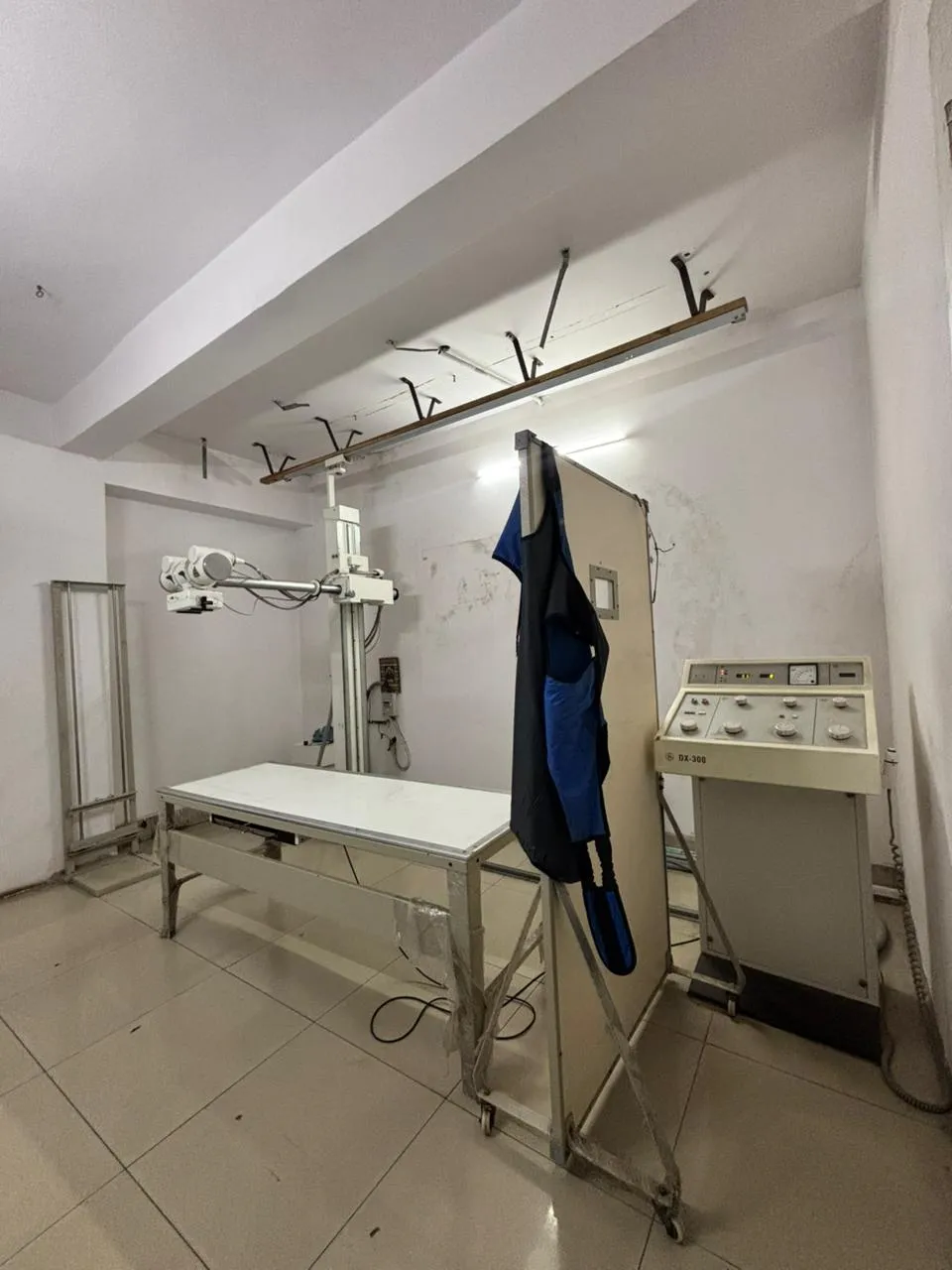
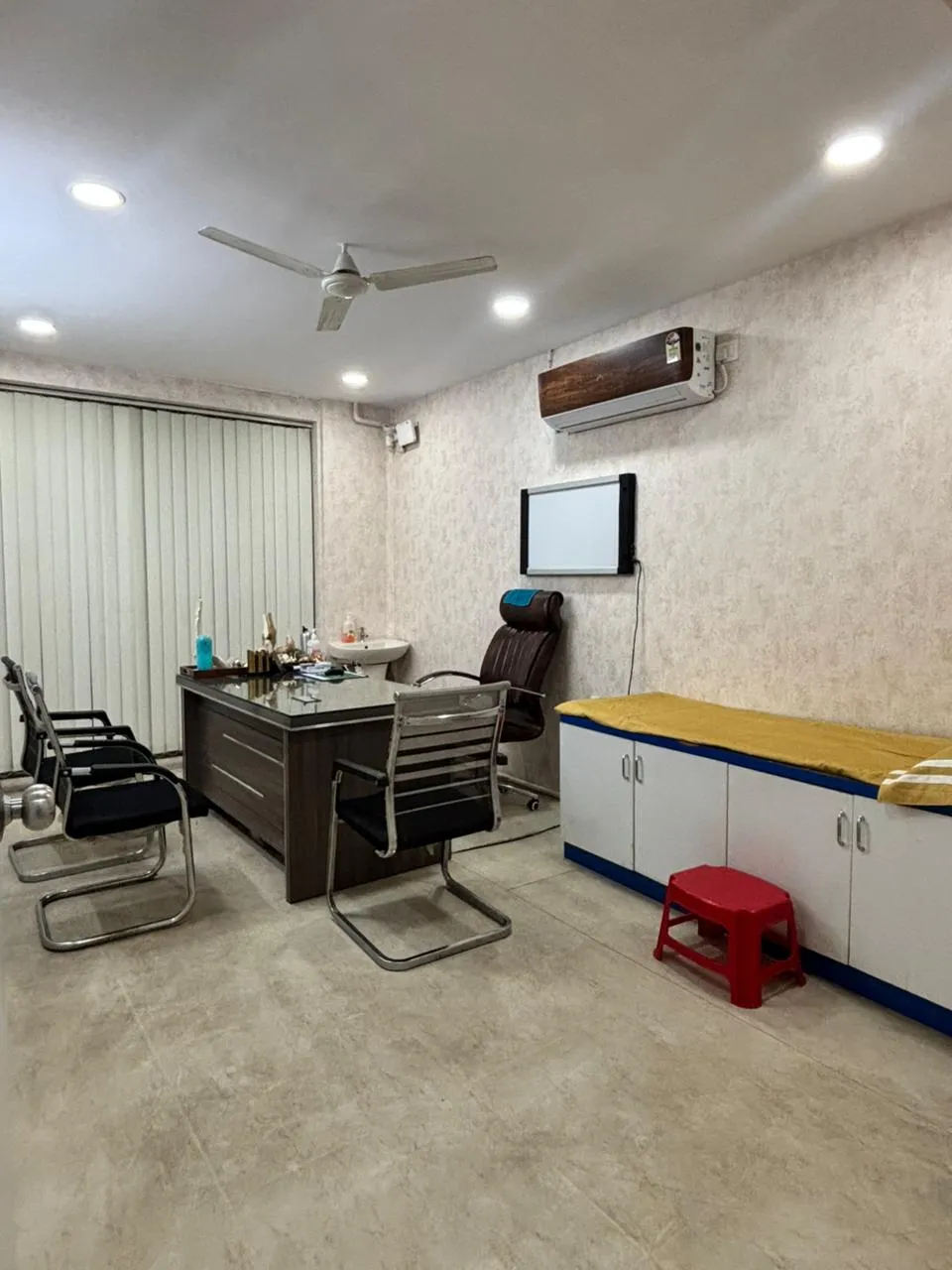
Consultation, X-ray review, casting, splinting and follow-up happen at the clinic in Bowenpally. When surgery is needed, Dr. Naresh performs it at an associated hospital with the anaesthesia team and operation-theatre facilities fracture fixation needs, with cashless insurance support for eligible policies. Your follow-ups and plaster removal stay with the same doctor at the clinic.
Hip fracture in an elderly parent: why quick surgery is usually safer than bed rest
A fall at home and a fracture at the hip is the most common serious injury in people over 70. The danger is not only the broken bone but the weeks of bed rest it can cause — chest infection, blood clots, pressure sores and loss of independence.
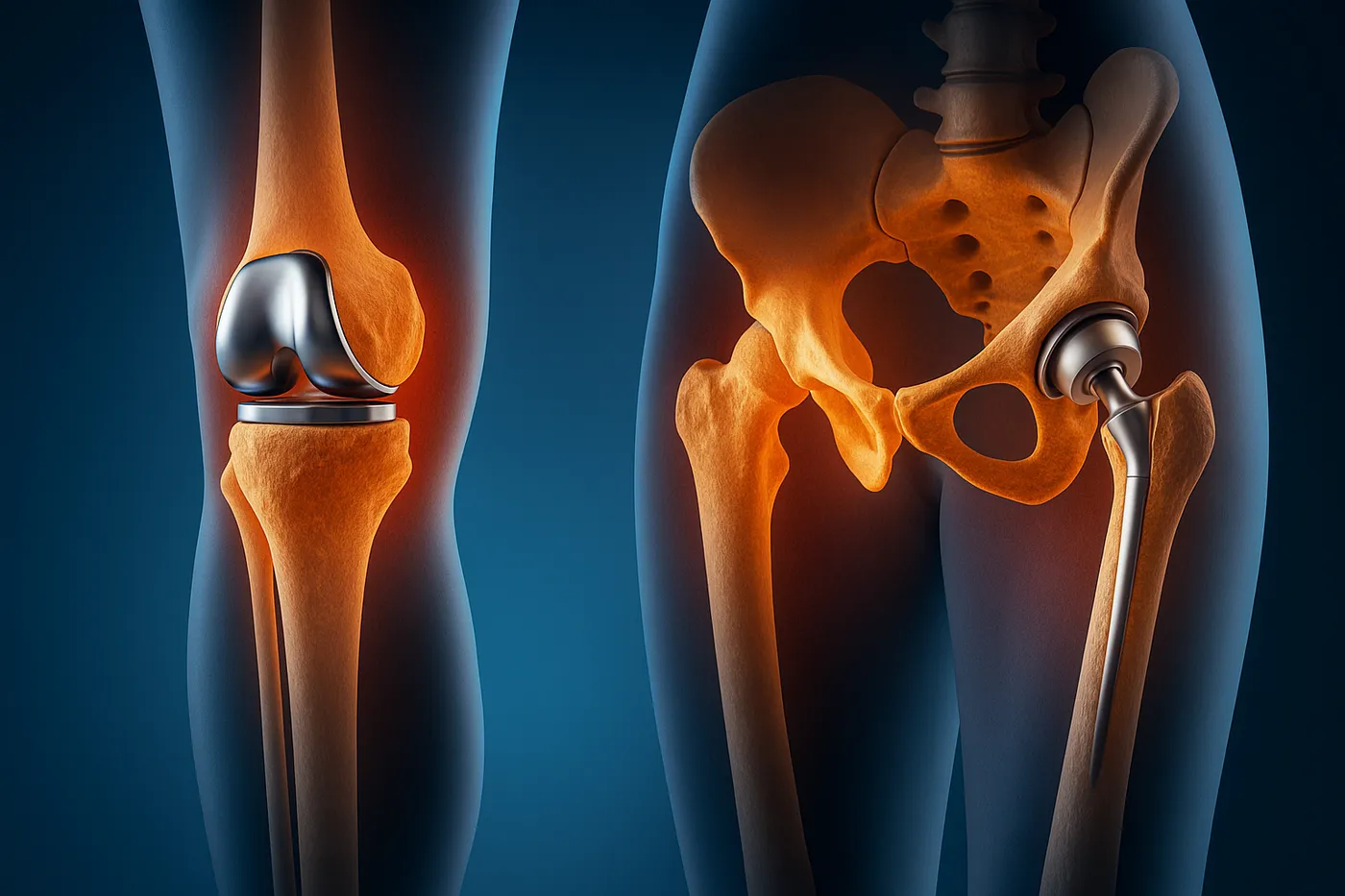
That is why, for most older patients, surgery within 24–48 hours of the fall is the safer option: fractures at the neck of the femur are usually treated with a partial or total hip replacement so the patient can stand within a day or two; fractures lower down are fixed with a nail or plate. Fitness is checked with the physician and anaesthetist first; age alone is not a barrier.
Read more on hip fracture treatment, and bring the X-rays — we will tell you which option is safer and why.
Fractures in children heal differently
Children’s bones are softer, heal faster and can straighten themselves as they grow — so many fractures that would need surgery in an adult are treated in a cast in a child. But growth plates can be injured in ways adult bones cannot, and those need careful treatment and follow-up to avoid a limb growing crooked or short.
Dr. Naresh treats children’s wrist, forearm, elbow and collarbone fractures and growth-plate injuries with growth in mind, explaining to parents what to watch for. Other children’s bone and joint problems are covered on our paediatric orthopaedics page.
Your fracture care journey, step by step
Successful fracture treatment goes beyond the cast or the operation — it is about getting the bone to heal in the right position and getting the joint, muscle and you back to full function.
Diagnose
Examination plus X-ray; CT or MRI when the fracture pattern, a joint surface or soft tissue needs a closer look.
Stabilise & plan
Splint or cast, pain and swelling control; if surgery is needed, diabetes, blood pressure and medicines are reviewed so it is safe.
Treat
Cast or splint at the clinic; or fixation with plates, screws or nails at the associated hospital, with antibiotics and strict sterile protocols.
Rehabilitate
Gentle movement to regain joint range, targeted strengthening, and a planned return to work, sport and daily life — reviewed at every visit.
How long does a fracture take to heal?
Typical bone-healing times — each person and each fracture is different, and full strength and function take longer than the bone itself:
Most simple fractures: 3–4 weeks in a cast; faster than adults.
Typically 4–6 weeks; hand stiffness prevented with early finger movement.
6–8 weeks in most adults; weight-bearing guided by check X-rays.
3–6 months to full union; walking with support much earlier after fixation.
Recovery typically 6–12 weeks with rehabilitation; implants usually stay in for life.
Why patients choose Sharada Orthopaedic Centre for fracture care
Experienced surgeon, every visit
25+ years of orthopaedic practice. Dr. Naresh examines you, reads the X-ray, decides, operates if needed and removes the plaster himself.
Proper theatre, strict sterility
Fixation surgery in an operation theatre with laminar airflow and international sterilisation protocols — infection is the risk that matters most in fracture surgery.
Cast when a cast will do
Surgery is advised for the fractures that need it — not as the default. The reason is explained with your X-ray in front of you.
Rehab built in, estimate in writing
Tailored physiotherapy from the start, cashless insurance support for eligible policies, and a written estimate before any surgery.
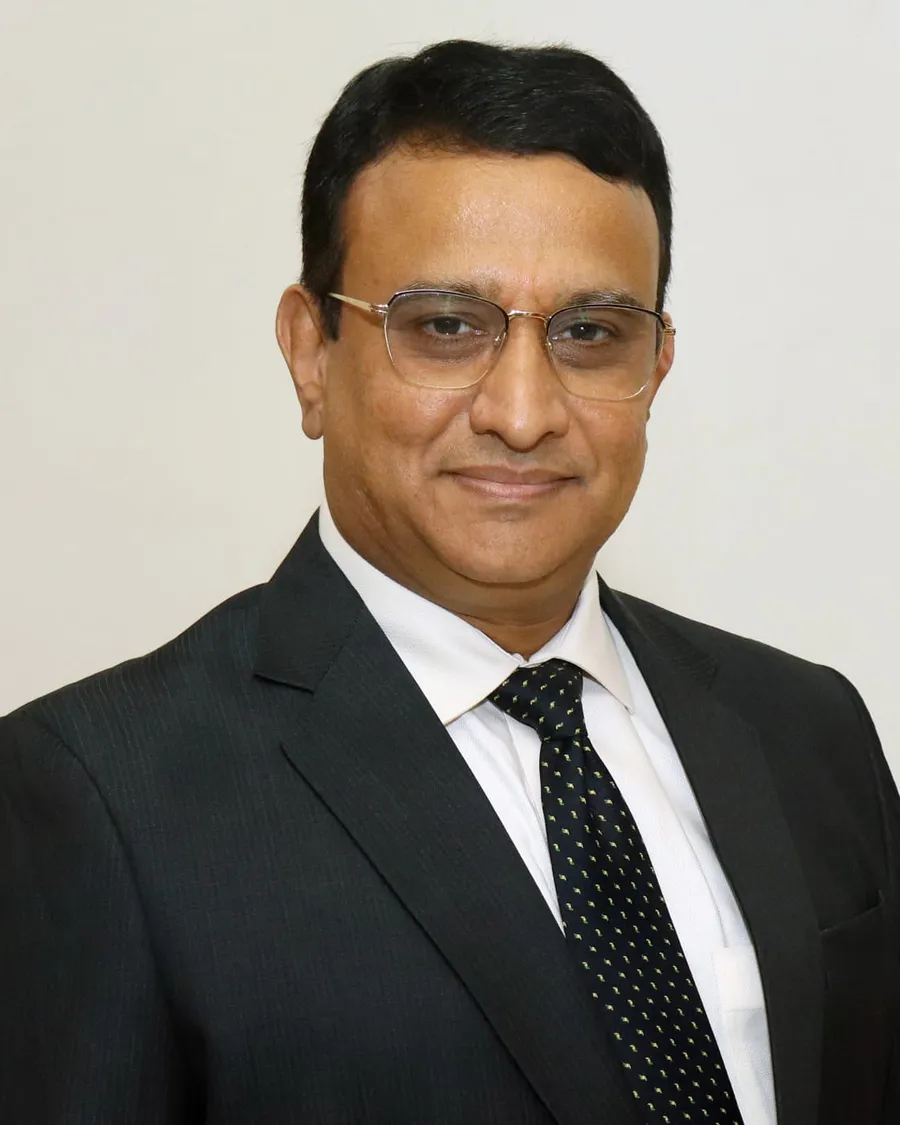
Dr. Naresh P. Hanagodu
Fracture and trauma care, knee and hip replacement, spine care and sports injuries. Rotary Vocational Award (2001–02), Rotary Club of Secunderabad Cantonment. Practises at Sharada Orthopaedic Centre, Bowenpally, Secunderabad.
About Dr. NareshFracture care for Secunderabad and Hyderabad
Ganesh Nagar Colony, Bowenpally, Secunderabad 500011 — ground-level, wheelchair-accessible, 10–20 minutes from the areas below and about 30 minutes from Kompally, Balanagar, Malkajgiri and Sanath Nagar. Bring the X-rays already taken; if you can’t come in, WhatsApp the image first.
Tap an area for directions from there.
Consulting hours Monday to Saturday, 1:00 PM to 6:30 PM; Sunday closed.
Frequently asked questions about fracture treatment in Hyderabad
Who is the best fracture surgeon in Hyderabad?
How long does recovery take after fracture surgery?
Is a fracture the same as a broken bone?
How soon should a fracture be treated?
What symptoms mean I need emergency fracture care?
How long does a fracture take to heal?
Does every fracture need surgery?
My elderly parent has fractured the hip — what should we do?
Will the plates or screws be removed later?
Do you treat children’s fractures?
Is fracture treatment covered by insurance?
Can I WhatsApp my X-ray before coming?
Injured? Don’t wait it out.
Sharada Orthopaedic Centre, Ganesh Nagar Colony, Bowenpally, Secunderabad 500011 · Monday to Saturday, 1:00 PM – 6:30 PM. WhatsApp your X-ray or call.