
Orthopaedic Doctor in Secunderabad — Everyday Bone & Joint Problems, Treated Properly
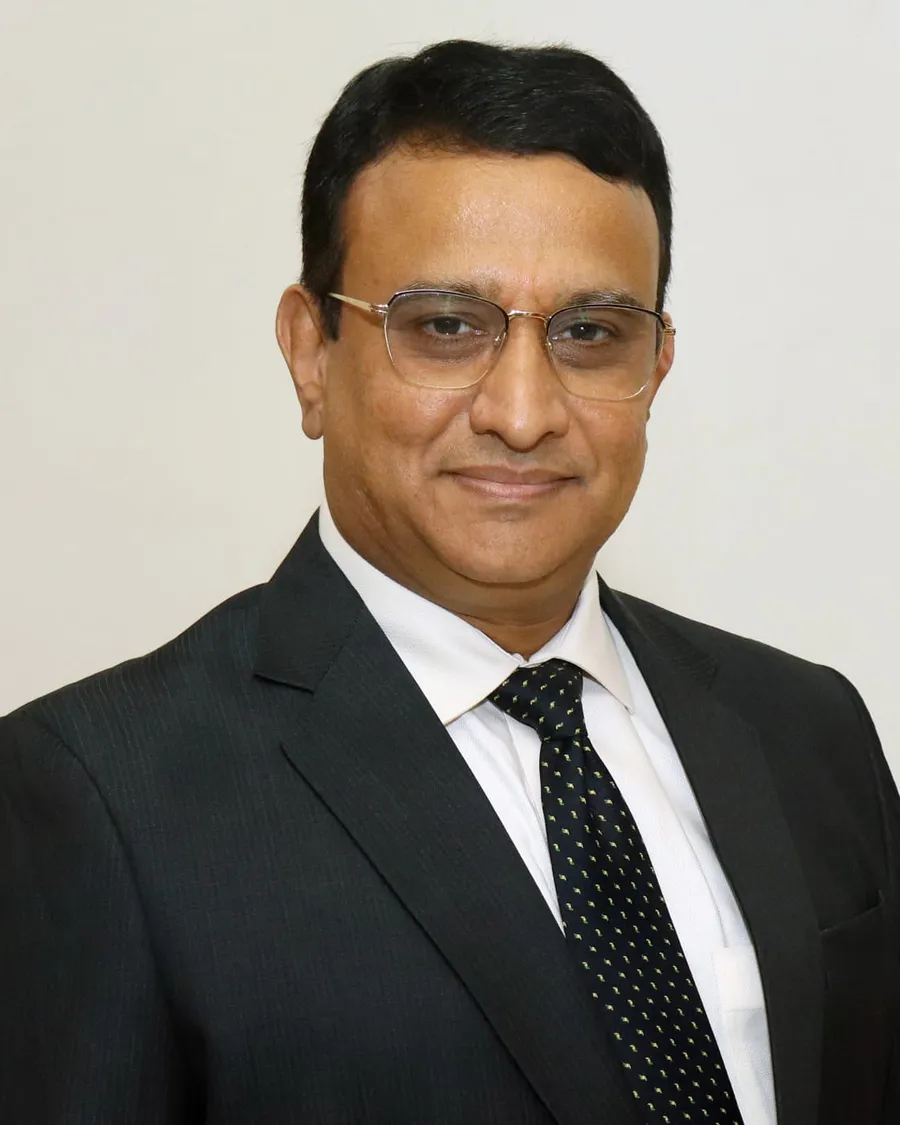
Dr. Naresh P. Hanagodu, MBBS, MS (Ortho), D.Ortho (Bombay), is a Consultant Orthopedic & Joint Replacement Surgeon with 25+ years of experience at Sharada Orthopaedic Centre, Ganesh Nagar Colony, Bowenpally, Secunderabad. This page is for the orthopaedic problems that don't have a famous name: a shoulder that won't lift, a heel that hurts with the first steps of the morning, a wrist that tingles at night, joints that ache as the years add up. Most are diagnosed by examination, treated without surgery, and better in weeks with the right plan — and when a different specialist is the right answer, we say so plainly.
An ache that isn't going away? We'll call you back
Two fields, 15 seconds. Our coordinator calls during clinic hours (Mon–Sat 1:00–6:30 PM) and fixes the earliest slot.
Which doctor do I need?
Tap your problem. We'll point you to the right page — or the right specialist, even when it isn't us.
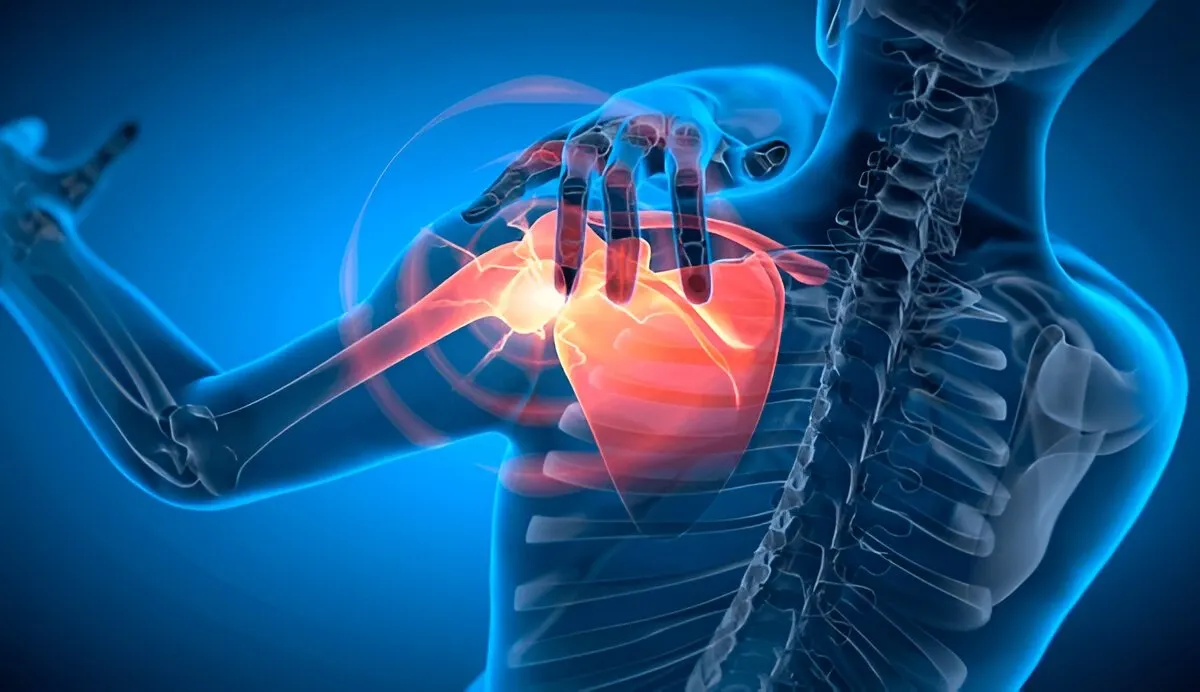
Frozen shoulder: painful, then stiff — and very treatable
A frozen shoulder (adhesive capsulitis) starts as pain, then the joint capsule tightens until combing hair or reaching a back pocket becomes impossible. It is far more common with diabetes and thyroid problems — worth knowing in Hyderabad, where diabetes is everywhere.
Left entirely alone it can take one to three years to thaw. With a proper plan — staged capsular stretching, medicines for a defined period and, for selected patients, an image-guided steroid injection to break the pain cycle — most people recover their shoulder in months, not years. The stuck minority may be offered a manipulation or arthroscopic release at the associated hospital.
Rotator-cuff pain after 40 looks similar but behaves differently: pain lying on the shoulder at night and weakness lifting the arm. Most age-related cuff tears in over-60s are managed without surgery — strengthening beats stitching for the majority.
The everyday problems this clinic treats
Tennis & golfer's elbow
Pain on the outer or inner elbow from gripping — as common from housework, lifting cans and laptops as from any racquet. Loading exercises beat rest; injections are used sparingly, because the evidence says the effect fades.
Trigger finger & de Quervain's
A finger that clicks or locks when straightening; or wrist pain at the thumb side — classic in new mothers lifting the baby. Splints and a targeted injection settle most; a small day-care release procedure is the answer when they don't.
Neck & shoulder desk ache
Hours of screens load the neck and shoulder-blade muscles. A posture plan and specific strengthening fix most of it. Tingling into the arm, hand clumsiness or unsteady walking are different — those signs belong on our spine page.
Joint pains as the years add up
Aching hands, shoulders or multiple joints. Examination separates ordinary wear (osteoarthritis — managed here) from inflammatory arthritis that needs a rheumatologist — we tell you which, honestly.
Carpal tunnel syndrome: when your fingers tingle at night
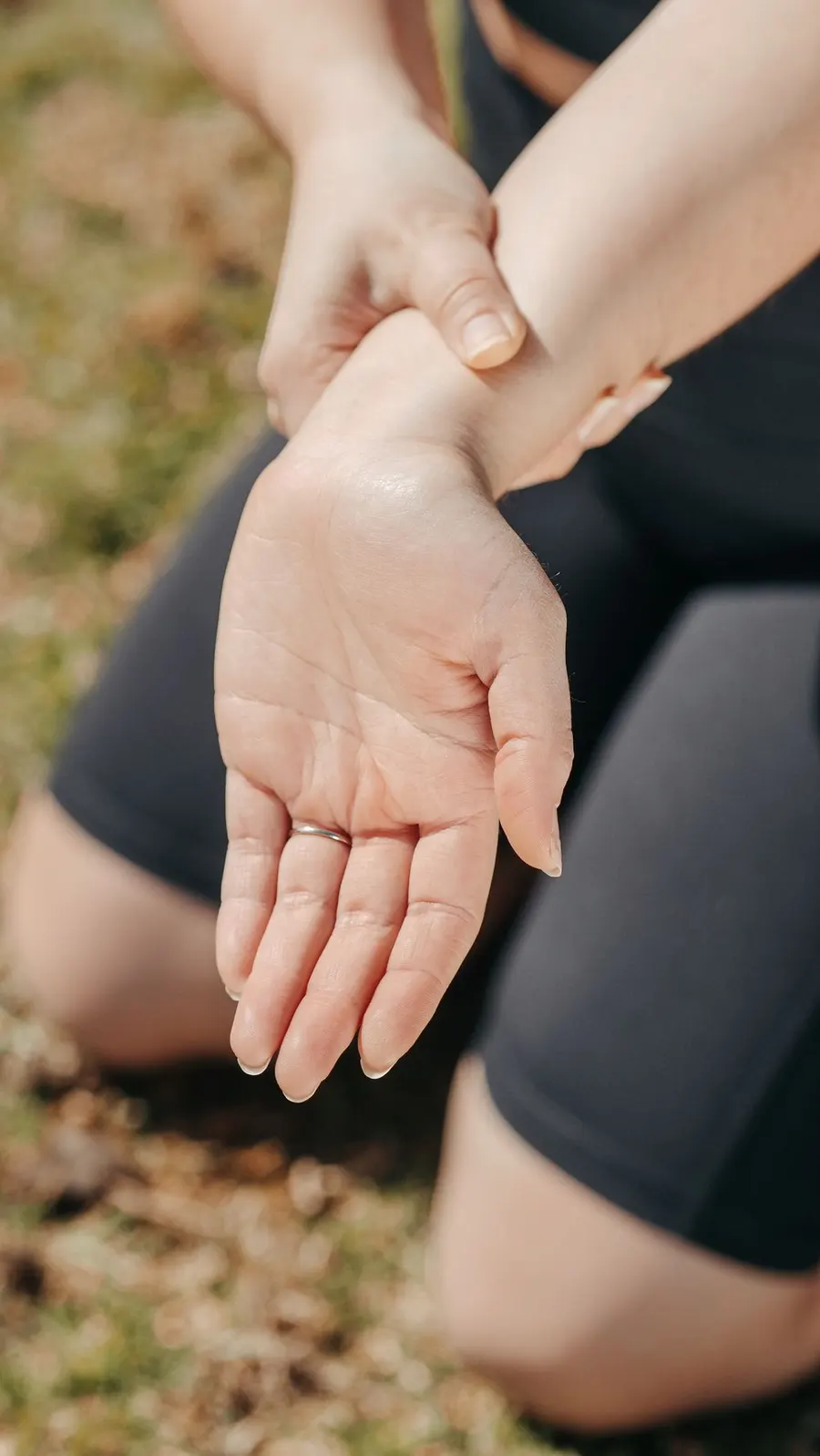
Numbness and tingling in the thumb, index and middle fingers — worst at night or on waking, shaking the hand for relief — is carpal tunnel syndrome: a nerve squeezed at the wrist. Common in desk workers, during pregnancy, and with diabetes and thyroid disease.
A night splint and activity changes settle early cases. When symptoms persist or the thumb weakens, the answer is a small release operation done as a day-care procedure under local anaesthesia — one of the most reliably successful operations in orthopaedics. Waiting too long risks permanent numbness, which is the one mistake to avoid.
Heel pain: those first agonising steps of the morning
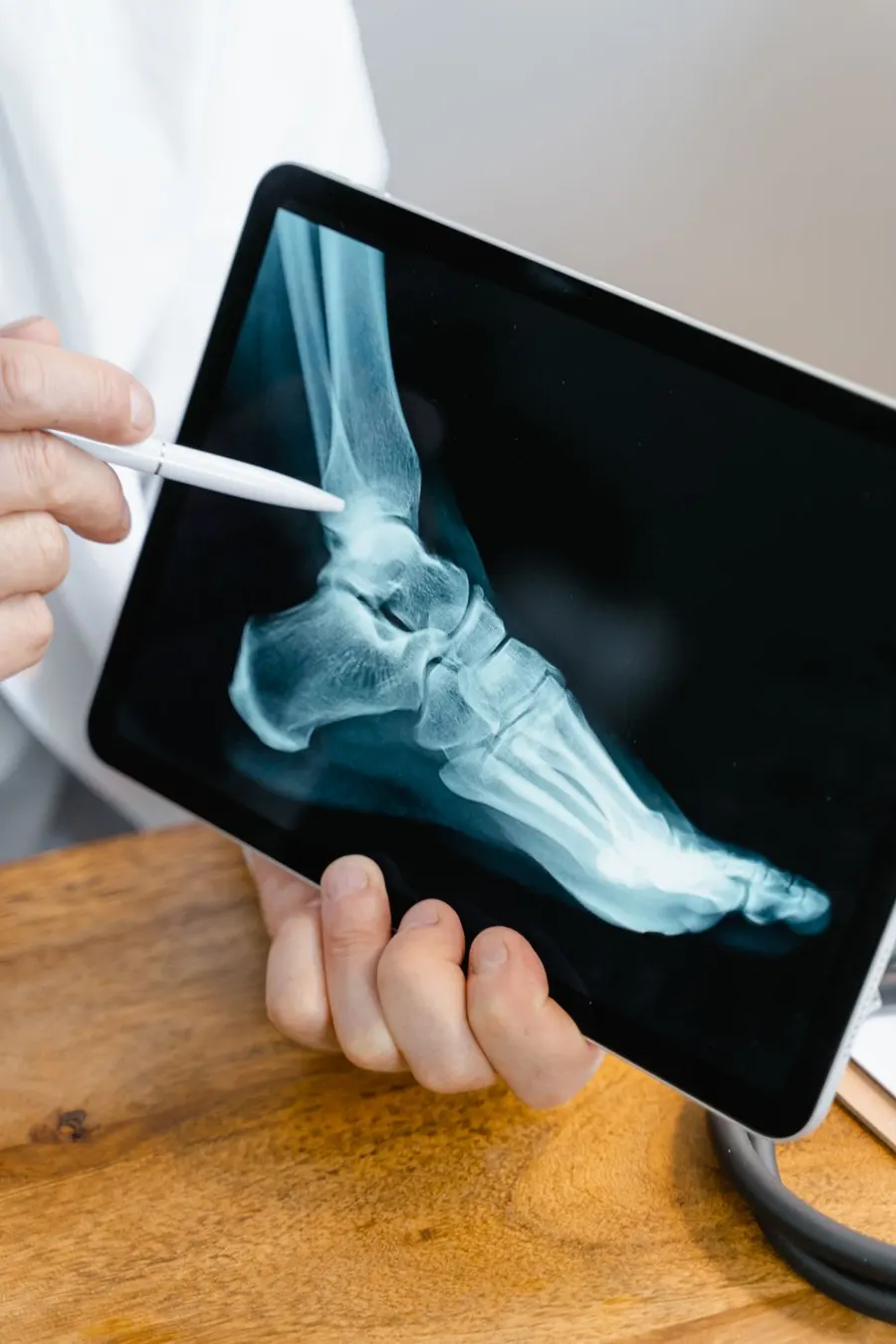
Sharp heel pain with the first steps after waking or after sitting, easing as you walk — that pattern is plantar fasciitis, an overload of the tissue band under the heel. It is not a "bone spur problem", even when the X-ray shows one.
Treatment is unglamorous and works: daily calf and plantar stretching, footwear with a cushioned heel, weight management and patience — most settle within months. A silicone heel cup helps some; an injection is reserved for stubborn cases because it carries real risks to the heel pad. We are honest about fashionable extras: shockwave and PRP have mixed evidence, and nobody should be sold them as a first step.
Orthopaedic doctor or rheumatologist — who treats arthritis?
Osteoarthritis — the wear-related kind, usually one or a few large joints, worse with activity — is orthopaedic territory: examination, targeted strengthening, weight and activity planning, medicines for defined periods, and joint replacement when a knee or hip is truly worn out.
Rheumatoid arthritis, gout and other inflammatory types — many joints, long morning stiffness, swelling, sometimes fever — are treated with disease-modifying medicines by a rheumatologist. If your story and examination point that way, we say so at the first visit and refer you properly, because starting the right medicines early protects your joints for life.
Bone health & osteoporosis: the silent condition behind "minor fall, major fracture"
Osteoporosis has no symptoms until a bone breaks — a wrist from a simple fall, a hip, or a spine bone that collapses quietly. Every fracture after 50 from a minor fall deserves the question: was the bone weak?
We assess fracture risk, arrange a DEXA bone-density scan where indicated (done at a diagnostic centre we refer you to; treatment and follow-up here), correct calcium and vitamin D properly rather than endlessly, prescribe bone-strengthening medicines when the numbers justify them, and talk honestly about the highest-return treatment of all: preventing the next fall — lighting, footwear, bathroom rails, and leg-strength exercise.
Already had a fragility fracture? That is the loudest warning bone gives. See our fracture care page — and come in for the bone-health review after the cast comes off.
How we work — the same four steps, every condition
Examination first
The diagnosis for almost everything on this page is made with hands and history, not scans. You get unhurried time with the doctor — the same one, every visit.
Tests only when they change the plan
X-ray on site when useful; ultrasound, MRI or blood tests only when the result will alter what we do. No scan menus.
A written plan for a defined period
Named exercises with frequency, medicines with an end date, and targeted injections only where the evidence supports them — as part of a plan, never instead of one.
Review — and honesty at every fork
If the plan isn't working we re-examine and change it; if you need a different specialist — rheumatologist, neurologist, sub-specialist — you hear it from us first.
Why patients choose Sharada for everyday orthopaedic care
- A senior surgeon for "small" problems — 25+ years of judgement applied to your elbow, not just to big operations.
- Most conditions on this page never need surgery — and we say so on day one.
- Honest referrals — rheumatologist, neurologist or sub-specialist when that is the right answer.
- X-ray on site — one visit, not three.
- Telugu, Hindi and English spoken.
- Rated 5.0 on Google by 70+ patients — Ganesh Nagar Colony, Bowenpally, Secunderabad.
Dr. Naresh P. Hanagodu
Everyday orthopaedic care — shoulder, elbow, hand, heel, joint pains and bone health — alongside knee and hip replacement, spine care, fracture care and sports injuries. Rotary Vocational Award (2001–02), Rotary Club of Secunderabad Cantonment. Practises at Sharada Orthopaedic Centre, Bowenpally, Secunderabad.
About Dr. NareshWatch: Dr. Naresh explains, in under a minute
Short patient-education reels from @drnareshhanagodu. Tap a video to play it here.
Orthopaedic care for Secunderabad and Hyderabad
Ganesh Nagar Colony, Bowenpally, Secunderabad 500011 — ground-level and wheelchair-accessible, 10–20 minutes from the areas below and about 30 minutes from Kompally, Balanagar, Malkajgiri and Sanath Nagar.
Tap an area for directions from there.
Consulting hours Monday to Saturday, 1:00 PM to 6:30 PM; Sunday closed.
Frequently asked questions — everyday orthopaedic problems
Which doctor should I see for joint or bone pain — an orthopaedic doctor or a physician?
Who is the best orthopaedic doctor in Secunderabad?
What does a general orthopaedic doctor treat?
Is frozen shoulder curable? How long does it take?
Which doctor is best for frozen shoulder?
Why does my heel hurt with the first steps in the morning?
Which doctor should I see for heel pain?
My fingers tingle at night — is it carpal tunnel syndrome?
Do all orthopaedic problems need surgery?
Orthopaedic doctor or rheumatologist — who treats arthritis?
What is osteoporosis, and should I get a bone-density (DEXA) test?
Can osteoporosis be treated at 70 or 80?
Do you give injections for shoulder, elbow or heel pain?
Is treatment covered by insurance?
An ache that isn't going away?
Most of the problems on this page are fixed without surgery — but they are fixed faster when examined early. Sharada Orthopaedic Centre, Ganesh Nagar Colony, Bowenpally, Secunderabad 500011 · Mon–Sat, 1:00 PM – 6:30 PM.