
Best Knee Replacement Surgeon in Hyderabad — Dr. Naresh P. Hanagodu
Dr. Naresh P. Hanagodu, MBBS, MS (Ortho), D.Ortho (Bombay), is a Consultant Orthopedic & Joint Replacement Surgeon with 25+ years of experience and 1,200+ joint replacement surgeries. He consults at Sharada Orthopaedic Centre, Ganesh Nagar Colony, Bowenpally, Secunderabad, Monday to Saturday, 1:00 PM to 6:30 PM. Knee replacement is advised only after non-surgical treatment has been tried, and the same surgeon sees you from first consultation to final follow-up.
Do I really need a knee replacement?
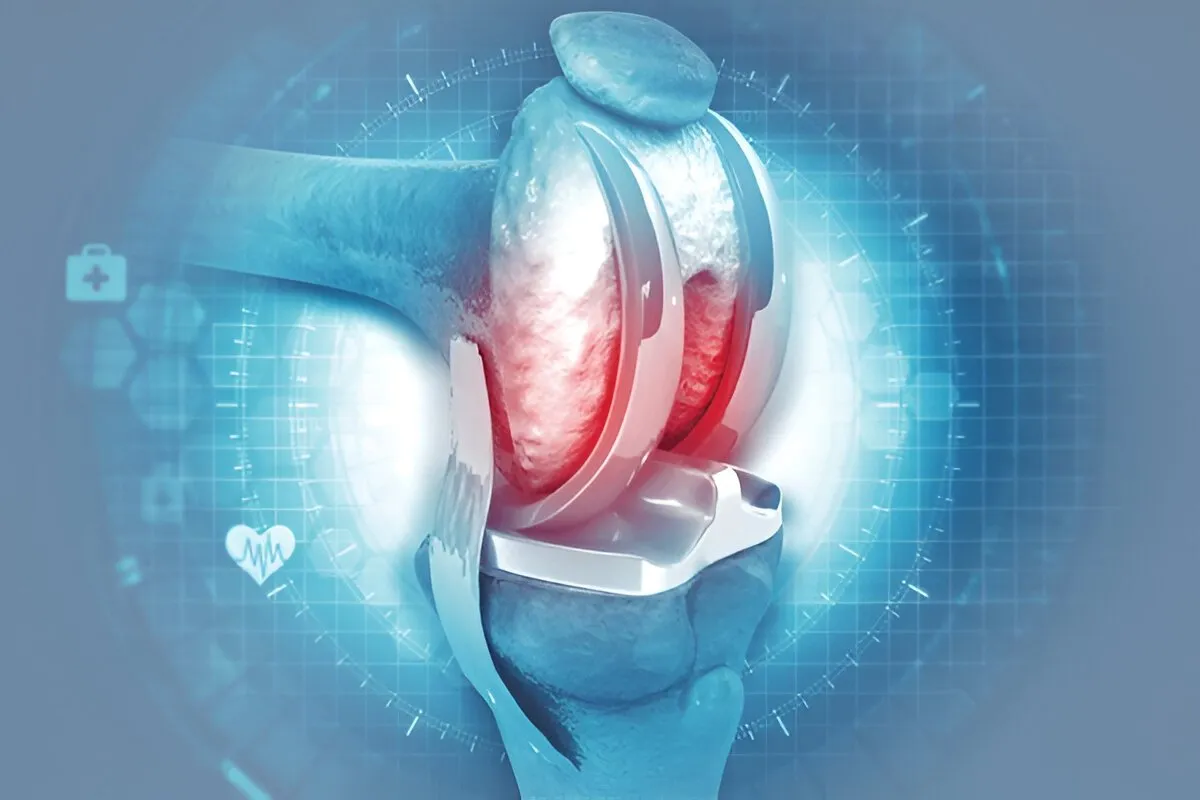
Most people with knee pain do not need a knee replacement. At Sharada Orthopaedic Centre in Bowenpally, Secunderabad, Dr. Naresh P. Hanagodu recommends surgery only when advanced arthritis is limiting daily life and medicines, physiotherapy, weight management, bracing and injections have stopped helping.
Signs that it may be time to discuss surgery:
- Knee pain most days, including at rest or at night
- Difficulty walking a short distance, climbing stairs or getting up from a chair
- Stiffness, or a visibly bent or bowed knee that has changed over months
- Pain relief from tablets and injections that no longer lasts
- X-rays showing bone-on-bone arthritis
What we try before surgery
- Pain relief and anti-inflammatory medicines in safe doses
- A structured physiotherapy programme to strengthen the thigh muscles
- Weight reduction where it helps; activity changes and a walking aid
- Knee braces or insoles for alignment; joint injections where appropriate
Most patients with early or moderate arthritis are managed this way for years.
Types of knee replacement we perform
Implants are chosen for the patient's age, weight, bone quality and activity level; the aim is a stable, well-aligned knee that lasts. We use conventional, well-established techniques and instruments — the surgeon's experience and accurate alignment matter more to the result than any single technology.
Total knee replacement (TKR)
The worn surfaces of the thigh bone, shin bone and usually the kneecap are replaced with metal and high-grade plastic components. The most common operation for advanced arthritis affecting the whole knee.
Partial (unicompartmental)
When arthritis is limited to one side of the knee and the ligaments are healthy, only that part is resurfaced. A smaller operation with a quicker recovery, suitable for a minority of carefully selected patients.
Revision knee replacement
Re-doing a previous replacement that has loosened, worn or become infected. More complex; planned with detailed imaging.
Bilateral knee replacement
Both knees can be replaced in one sitting or in two stages, depending on age, fitness and heart/lung status. Dr. Naresh advises which is safer for you.
What happens on the day of surgery, and where?
Consultation, X-rays, pre-operative assessment and all non-surgical treatment happen at Sharada Orthopaedic Centre in Bowenpally. The operation itself is performed by Dr. Naresh at an associated hospital with the anaesthesia team and operation-theatre facilities that joint replacement needs, and with cashless insurance support for eligible policies. Your follow-up visits are with Dr. Naresh at the clinic.
Anaesthesia
Usually spinal anaesthesia (numb from the waist down), sometimes with light sedation; you are comfortable and monitored throughout.
Operation
Typically 1–2 hours for one knee. Worn surfaces are removed and the implant is fitted and aligned.
Hospital stay
Most patients go home in about 3–5 days once they are walking safely with a walker and pain is controlled.
Early recovery
Blood thinners, antibiotics and physiotherapy start in hospital to reduce clot and infection risk and to get the knee moving early.
Recovery after knee replacement: a realistic timeline
Recovery varies with age, general health and how consistently physiotherapy is done. Typical milestones for most patients:
Standing and walking a few steps with a walker; knee-bending exercises begin.
Walking indoors with a walker; stitches/staples reviewed; swelling is normal.
Walking longer distances, often with a stick; stairs with support; most daily activities.
Walking without aids for many patients; driving once the leg is strong and pain allows.
Continued improvement in strength and comfort; light exercise, cycling, swimming.
How long does a knee replacement last?
15–20 years is typical for a modern knee implant, and many last longer. Longevity depends on the patient's weight and activity, bone quality, accurate alignment at surgery and avoiding infection. Younger, heavier or very active patients wear implants faster and may need a revision later in life — one reason surgery is timed carefully rather than done at the first sign of arthritis.
Risks, stated plainly
Knee replacement is a well-established, commonly performed operation, but like all surgery it has risks: infection, blood clots, stiffness, ongoing discomfort, implant loosening or wear over time, and rare complications from anaesthesia. Your individual risk depends on age, diabetes control, heart and lung health, weight and smoking.
We explain these before you decide, take specific precautions (antibiotics, clot prevention, early mobilisation), and see you regularly afterwards. Most patients experience a marked reduction in pain and better mobility, but no surgeon can promise a particular outcome, and we do not.
Is knee replacement safe for older patients or people with diabetes?
Age alone is not a barrier — patients in their 70s and 80s undergo knee replacement routinely when their heart, lungs and kidneys are assessed as fit. Diabetes is not a barrier either, but blood sugar must be well controlled before and after surgery because poor control raises infection risk.
A pre-operative check-up (blood tests, ECG, physician review) is done for every patient; if something needs optimising first, we optimise it first.
Knee specialist vs orthopaedic surgeonWho should I see for knee pain?
For knee pain, an orthopaedic surgeon is the right first stop. "Knee specialist" is not a separate qualification in India — it describes an orthopaedic surgeon whose practice concentrates on knee conditions and joint replacement. Dr. Naresh P. Hanagodu is a Consultant Orthopedic & Joint Replacement Surgeon; the majority of knee patients he sees are treated without surgery, and only those who genuinely need it are advised replacement.
Knee replacement cost in Hyderabad: what decides it
The cost of knee replacement in Hyderabad depends mainly on a handful of factors. Cashless insurance is accepted for eligible policies, and a written estimate covering surgeon, hospital and implant is given before admission, so there are no surprises.
Ask for the estimate at your consultation — bring your insurance details if you have them.
Implant type
Standard vs premium components; single vs both knees.
Hospital & room
Room category and length of stay.
Procedure
First-time vs revision; anaesthesia; any additional procedure.
Insurance
Cashless for eligible policies; our team helps with paperwork.
Why patients choose Sharada Orthopaedic Centre for knee replacement
One surgeon, start to finish
Dr. Naresh consults, operates and follows you up personally; you are not passed between doctors.
25+ years, 1,200+ replacements
Experience in primary and complex cases, with the Rotary Vocational Award (2001–02) from the Rotary Club of Secunderabad Cantonment.
Non-surgical first
Surgery only when needed, explained in plain language in Telugu, Hindi or English.
Local and reachable
Ganesh Nagar Colony, Bowenpally, Secunderabad — Mon–Sat 1:00–6:30 PM. Written cost estimate; cashless insurance support.
Dr. Naresh P. Hanagodu
Rotary Vocational Award (2001–02), Rotary Club of Secunderabad Cantonment. Practises at Sharada Orthopaedic Centre, Bowenpally, Secunderabad. Special interests: knee and hip replacement, spine care, sports injuries and trauma.
About Dr. NareshKnee replacement consultations for Secunderabad and Hyderabad
The clinic is at Ganesh Nagar Colony, Bowenpally, Secunderabad 500011, on the Secunderabad–Kompally side of the city. Patients with knee arthritis usually reach us within 10–20 minutes from the areas below, and within about 30 minutes from Kompally, Balanagar, Malkajgiri and Sanath Nagar; a knee-replacement second opinion is worth the drive from anywhere in Hyderabad. Bring existing X-rays and reports.
Tap an area for directions from there.
Consulting hours Monday to Saturday, 1:00 PM to 6:30 PM; Sunday closed.
Watch: Dr. Naresh explains, in under a minute
Short patient-education reels from @drnareshhanagodu. Tap a video to play it here.
Frequently asked questions about knee replacement in Hyderabad
Who is the best knee replacement surgeon in Hyderabad?
How much does knee replacement cost in Hyderabad?
Which hospital is best for knee replacement in Hyderabad?
Is knee replacement 100% successful?
Do you do robotic knee replacement?
How long is the hospital stay?
When can I walk after knee replacement?
How painful is knee replacement?
How long does a knee implant last?
Am I too old — or too young — for knee replacement?
Is knee replacement covered by insurance?
What is the difference between total and partial knee replacement?
Knee pain that isn’t settling? We’ll call you back
Two fields, 15 seconds. Our coordinator calls during clinic hours (Mon–Sat 1:00–6:30 PM) and fixes the earliest slot.
Book a knee consultation
Sharada Orthopaedic Centre, Ganesh Nagar Colony, Bowenpally, Secunderabad 500011 · Monday to Saturday, 1:00 PM – 6:30 PM. Bring your X-rays and reports.